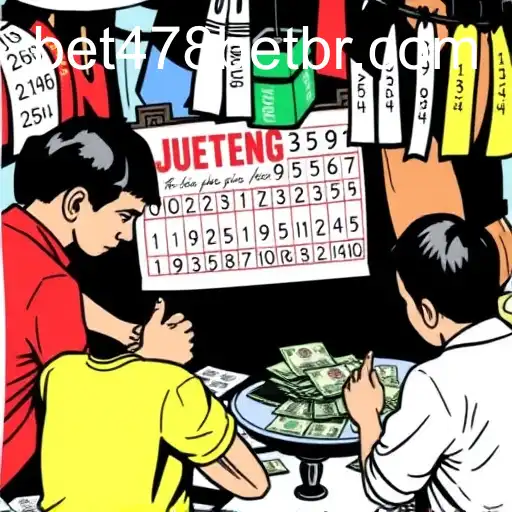
Understanding Jueteng and Its Cultural Impact in the Philippines
Jueteng is an informal and illegal numbers game that has become deeply entrenched in the cultural tapestry of the Philippines. This grassroots gambling activity is predominantly prevalent in the provinces of Luzon and Mindanao, and its illegal status has constantly made it a controversial subject of national discourse. Nevertheless, its cultural significance and economic impact on local communities cannot be understated.
The Mechanics of Jueteng
Jueteng is simple in its mechanics, which contributes to its widespread appeal. The game operates similarly to a numbers raffle: players select a combination of numbers, typically from 1 to 37, with the hope of matching the numbers drawn by the game organizers. Bets can be as low as one peso, making it accessible to a wide range of participants, which is central to its popularity.
The simplicity of Jueteng belies the complex network of collectors, bettors, and game organizers. Collectors act as intermediaries between bettors and game auditors, carefully tallying bets and ensuring the organized collection of money and numbers. It is this grassroots organization that demonstrates the deep integration of Jueteng into local communities.
Historical Background and Cultural Connections
The roots of Jueteng can be traced back to the Spanish colonial era, suggesting that the game has been part of Filipino life for over a century. Despite its illegal status, Jueteng persists because it is deeply embedded in local culture. It offers a sense of hope and a potential for significant monetary gain, especially in impoverished communities where alternative forms of entertainment and financial upliftment are scarce.
Moreover, Jueteng is often related to community dynamics, where participation can influence social standing or serve as a social activity binding communities with a shared interest. In this context, Jueteng becomes more than just gambling; it represents a shared cultural experience and a symbol of local identity.
Socio-Economic Dimensions
While primarily seen as a form of entertainment or escapism, Jueteng has substantial socio-economic implications. It has, sometimes, been posited as an 'industry' capable of generating employment for collectors and organizers. This aspect is particularly significant in rural areas where formal employment opportunities can be limited.
However, the socio-economic benefits of Jueteng are overshadowed by various negative effects. The illegal nature of the game implies that it contributes nothing to government revenues. Furthermore, accusations of corruption are rampant, with claims that some local officials turn a blind eye, or even participate in its operations, for personal gain. This situation compounds the problem, magnifying both distrust among the populace and entrenching a culture of impunity.
Political Implications and Controversies
Jueteng is not only a gambling issue but also a political one. Its operations have often been linked to political figures who allegedly utilize its profits to finance campaigns. This connection suggests the high stakes involved, weaving a complex web of crime, politics, and local patronage systems. Attorneys and lawmakers frequently grapple with the question of how to address Jueteng: should they try to eradicate it, regulate it, or possibly legalize it?
The war against Jueteng has periodically dominated political agendas, with various administrations promising to dismantle its operations. Notably, during his presidency, Joseph Estrada was implicated in a highly publicized Jueteng scandal that led to his eventual impeachment. Similarly, President Gloria Macapagal-Arroyo faced scrutiny over allegations that her administration tolerated Jueteng tradeoffs to maintain political power.
The Connection to Modern Technology: Bet478 PH Login
In recent years, technology has begun influencing how traditional gambling games like Jueteng adapt and survive. The adaptation of technology, as seen in platforms such as Bet478 PH Login, provides a glimpse into the modern evolution of gambling industries. Although Bet478 primarily operates within legal parameters, its existence demonstrates how technology can facilitate a wider reach and potentially draw more participants into gambling-focused activities.
The fusion of traditional gambling methods with internet-based platforms raises questions about regulation and the future trajectory of traditional gambling games like Jueteng. Will the advent of technology prompt efforts to bring Jueteng into the bounds of legality and regulated oversight? Or will it cause further entrenchment of its illegality by offering even more anonymous and covert participation avenues?
Conclusion: What Lies Ahead for Jueteng
The future of Jueteng hangs in balance, entwined with legal questions, cultural significance, and economic issues. Whether through policy reform, cultural shifts, or technological advancement, any path forward must carefully weigh the socio-economic realities of local communities reliant on this game, either for income or cultural cohesion. More pointedly, it will require a willing and comprehensive effort by the government and civil society alike to dismantle any negative structures sustaining its illegal status while honoring the tradition and community it represents. For now, Jueteng continues to be a fixture of Filipino society, defying simple categorizations.